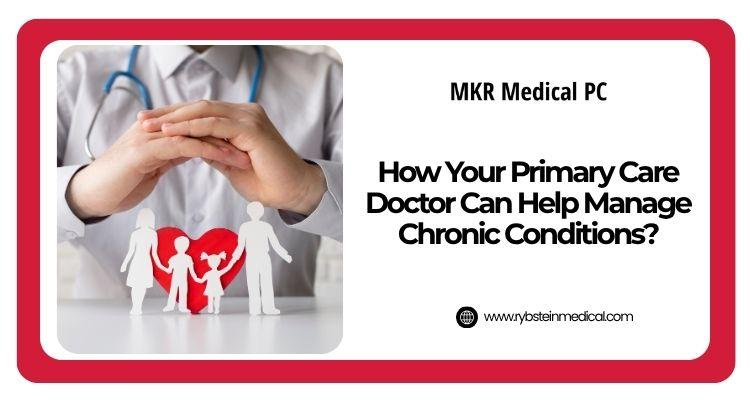
Handling chronic health conditions requires consistent care and support under professional supervision. That is where a primary care doctor in Brooklyn, NY can assist you. Yes, they are your first point of contact in the healthcare system. Still, primary care providers eventually become your long-term health partner, monitoring and improving your overall well-being.
Through this blog, we will be exploring how a primary care doctor can assist you in managing chronic illnesses like hypertension, heart disease, asthma, arthritis, and the long-term benefits of hiring one.
Key Takeaways
- Understanding the Job of a Primary Care Doctor
- Why Managing Chronic Conditions Needs Continued Care
- How a Primary Care Physician Aids in the Management of Chronic Illness
- When to See Your Primary Care Doctor
Understanding the Job of a Primary Care Doctor
A primary care doctor (PCP) is a medical professional who delivers general healthcare and coordinates your overall health. PCPs are experts in preventive medicine, diagnosing frequent ailments, treating chronic illnesses, and referring clients to experts when necessary.
For patients with chronic illness, a PCP becomes a trusted ally — a person who is familiar with your medical history, monitors your symptoms, and makes sure that your treatment plan remains on track. Regular visits to your primary care physician can help reduce hospitalizations and prevent complications from long-term diseases.
Why Managing Chronic Conditions Needs Continued Care
Chronic diseases are persistent health problems that are usually unable to be cured but are controllable with suitable medical attention and lifestyle modification. Among the most prevalent chronic diseases are:
- Diabetes
- High Blood Pressure (Hypertension)
- Heart Disease
- Asthma and COPD
- Arthritis
- Thyroid Diseases
These conditions must be monitored regularly, as they deteriorate quietly without apparent symptoms. Your primary care physician in Brooklyn will not allow you to stagnate by identifying early signs of trouble, adjusting medications when necessary, and demonstrating to you how to cope with daily health management routines
Role of a Primary Care Physician in Chronic Disease Treatment
There are other specifics of the assistance of your primary care physician in the prevention of chronic disease: let us take a glimpse at them:
1. Complete Health Evaluations
Your PCP conducts regular checkups that include blood tests, physical exams, and screenings to track your progress. These visits allow your doctor to evaluate how well your current treatment plan is working and whether any adjustments are needed. For example, when you are dealing with diabetes, your physician will routinely test your blood sugar level and determine how your medication and diet are impacting your well-being.
2. Developing a Personalized Treatment Plan
No two patients are the same — and neither are their needs. Your primary care physician develops an individualized treatment plan based on your particular condition, medical history, and lifestyle. This can include:
- Prescription of appropriate medications
- Diet and exercise regimens
- Follow-up appointments and lab tests
- Referral to specialists if needed
- Tailored care helps your treatment work effectively, realistically, and easily.
3. Monitoring and Adjusting Medications
Medication management is one of the most important aspects of chronic disease control. A primary care doctor in Brooklyn, NY, ensures that your prescriptions are working as intended and that you’re not experiencing side effects or drug interactions. If changes are needed, they will adjust your dosage or switch to alternative medications that better suit your needs.
4. Coordinating with Specialists
Most chronic diseases need advice from various medical specialists — e.g., cardiologists, endocrinologists, or pulmonologists. Your personal care physician acts as the coordinator-in-chief, who helps all phases of your care move in one direction. They exchange medical reports, attend to specialist advice, and ensure that your treatment is maintained consistently among all providers.
By remaining in frequent touch with your primary care physician, you reduce your risk for emergency room visits and severe health setbacks.
5. Preventing Complications
Prevention of complications that occur later on is one of the main aims of chronic disease care. An example is when you have high blood pressure, your PCP can help keep it in check just to prevent attacks on the heart and stroke. In diabetic patients, frequent monitoring of blood sugar levels could prevent kidney damage, nerve pain, and vision loss.
You can reduce the likelihood of visiting an emergency room and experiencing a serious health issue by maintaining regular communication with your primary care doctor.
6. Promoting Lifestyle Changes
Lifestyle modifications usually have a significant part to play in the control of chronic illnesses. Your physician provides you with sound advice on healthy eating, regular exercise, stress reduction, and proper rest. They can assist you in setting realistic goals, such as controlling cholesterol, maintaining a healthy weight, or quitting smoking — all of which contribute to long-term health.
Over time, these healthy habits can make a remarkable difference in your energy levels, mood, and overall quality of life.
7. Tracking Long-Term Progress
A personal physician will maintain in-depth records of your health experience — test results, medications, and follow-up reports. This continuous recordkeeping allows for recognition of trends, patterns, and warning signs that signal the need for intervention. Ongoing monitoring ensures your treatment plan stays current with your condition, keeping you on the path to optimal health outcomes.
When to See Your Primary Care Doctor
If you have a chronic condition, regular office visits are crucial — even if you’re not feeling sick. To ensure you are up to date on your treatment, schedule appointments every few months, or as your doctor recommends.
Be sure to visit your primary care physician immediately if you observe:
- Unusual signs and symptoms or side effects
- Changes in blood pressure or blood sugar levels
- Trouble keeping up with medication
- New pain or aching
- Early talk can avoid minor issues from becoming serious medical problems.
Let Us Be Your Partner in Your Health Journey!
A primary care doctor in Brooklyn, NY, is not just your regular physician; they are your long-term health management partner. From creating a personalized care plan to regularly monitoring and showing ongoing support, the primary care provider does it all. At MKR Medical PC, you will find a dedicated team of primary care providers who will help you achieve your optimal health goals
Our experienced staff will make sure that you receive continuous support throughout your treatment to help you lead a healthier future. If you are ready to take control of your chronic condition with professional medical guidance, book your appointment with MKR Medical PC today.